
Every city was once a village.
Every road was once a footpath. Every language was once a song someone sang in a field. The Dehat is here for all of them.
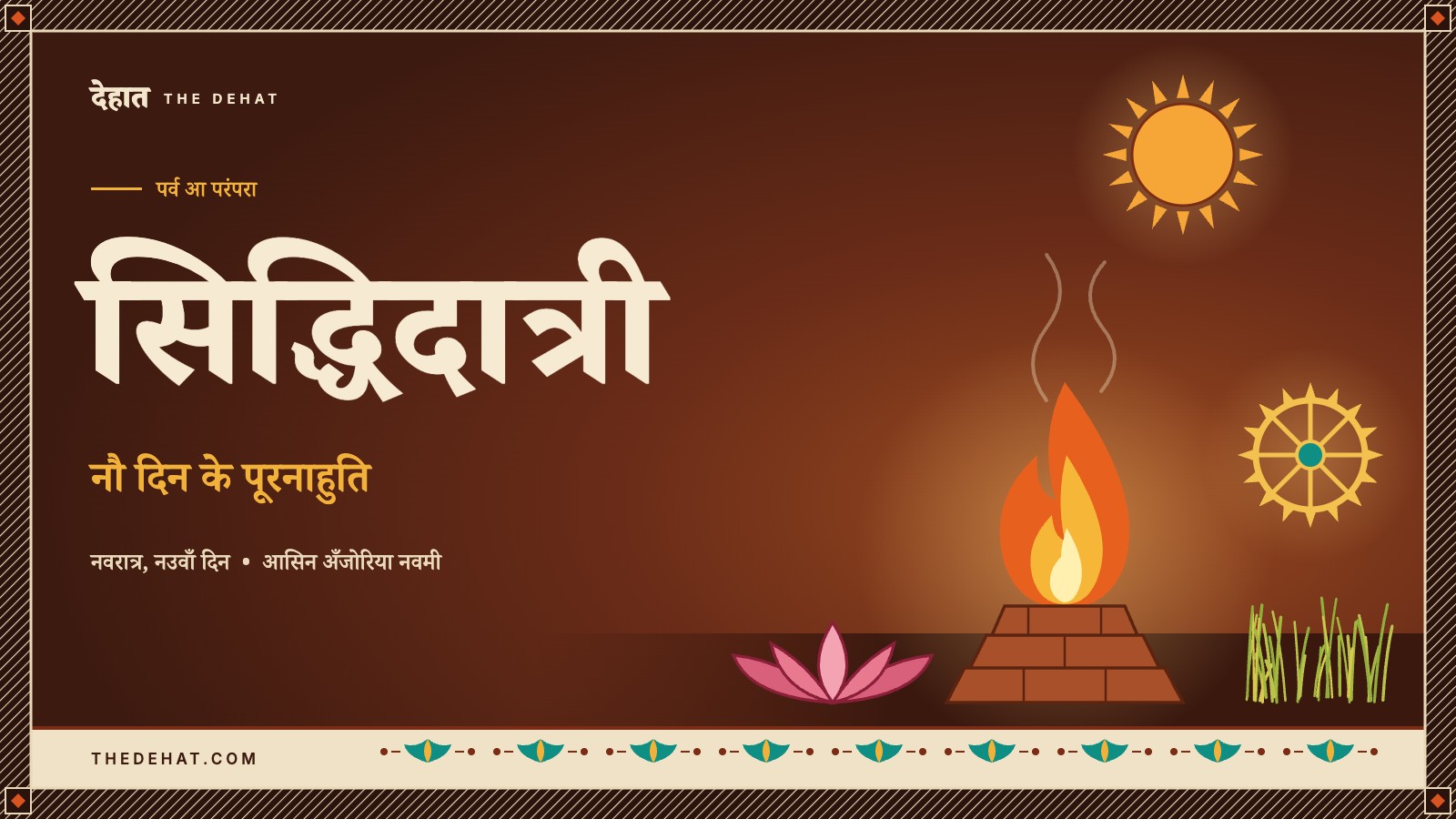
सिद्धिदात्री: नौ दिन के पूरनाहुति
नौ दिन के जतरा आज पूरा होला। पहाड़ के बेटी से शुरू भइल कथा ओह माई पर आके ठहरेला जे सब कुछ देवे वाली हई। महानवमी के दिन माई सिद्धिदात्री के पूजा होला।
द देहात संपादकीय · 2026-10-19पढ़ीं · Read →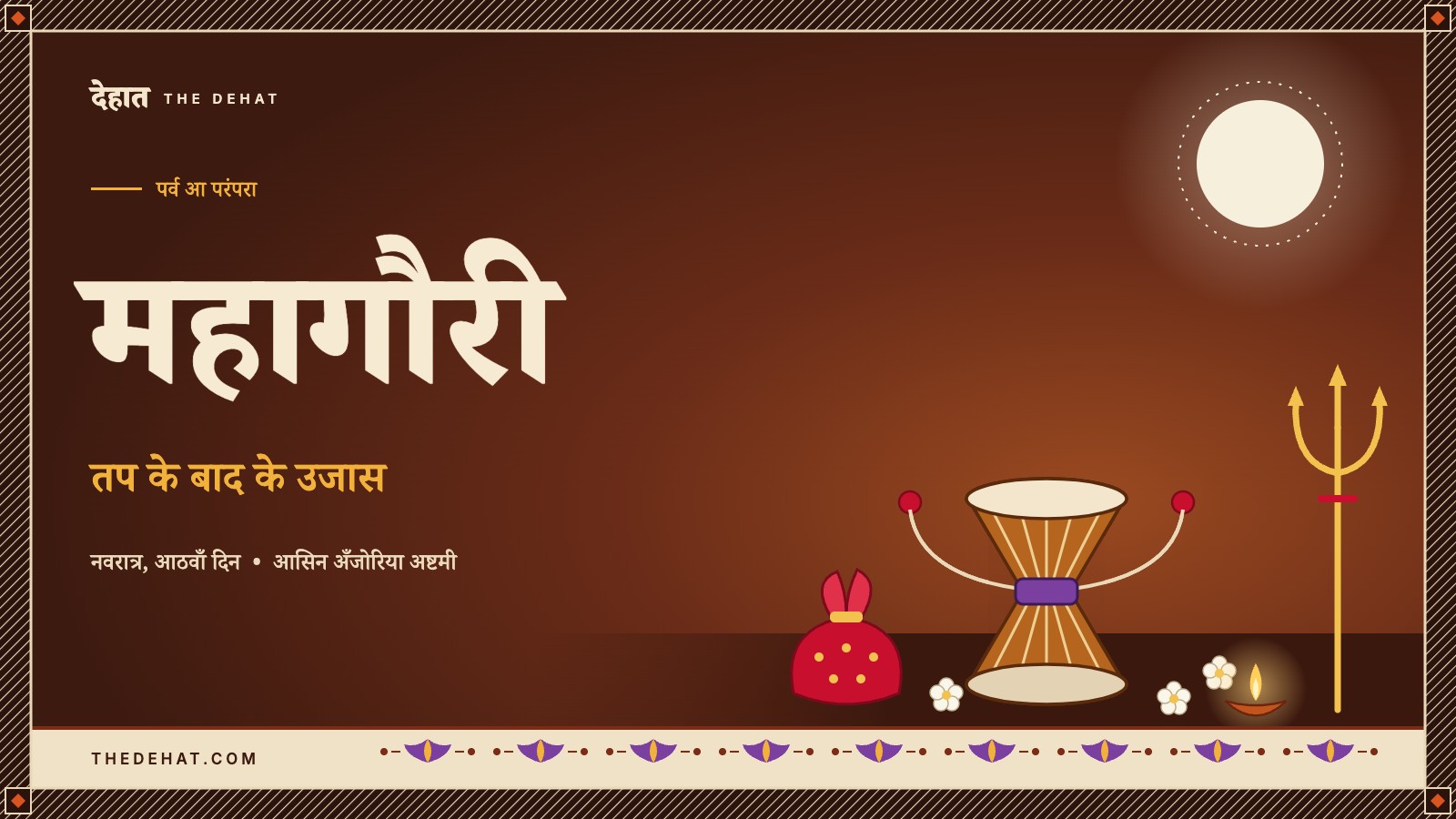
महागौरी: तप के बाद के उजास
काल्ह के अन्हार के बाद आज अँजोर ह। महाअष्टमी के दिन माई के सबसे शांत आ उज्जर रूप, महागौरी, पूजल जाला। आज घर घर में छोट लइकी लोग के गोड़ धोआई आ माई के खोइंछा भराई।
द देहात संपादकीय · 2026-10-18पढ़ीं · Read →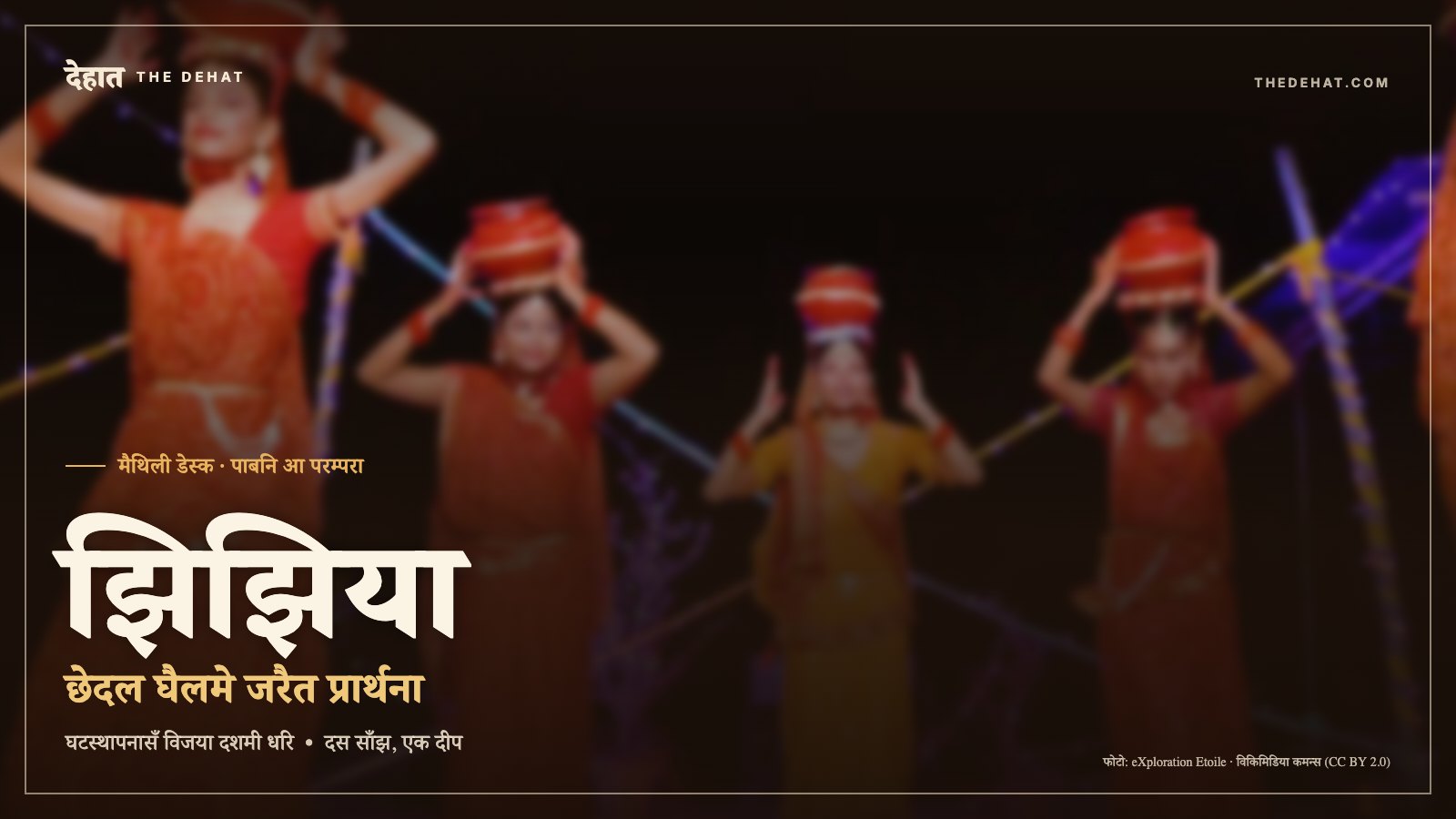
झिझिया: छेदल घैलमे जरैत प्रार्थना
घटस्थापनासँ विजया दशमी धरि, तराई-मधेसक साँझमे माथ पर छेदल घैल आ ओहिमे जरैत दीप ल' क' महिला सभ गोल घेरामे नचैत छथि। झिझिया मात्र नाच नहि, सन्तान आ समाजक रक्षाक लेल मिथिलाक माय सभक सामूहिक प्रार्थना थिक, जे कतेको बेर मेटाइत-मेटाइत बचल अछि।
द देहात सम्पादकीय · 2026-10-17पढ़ू · Read →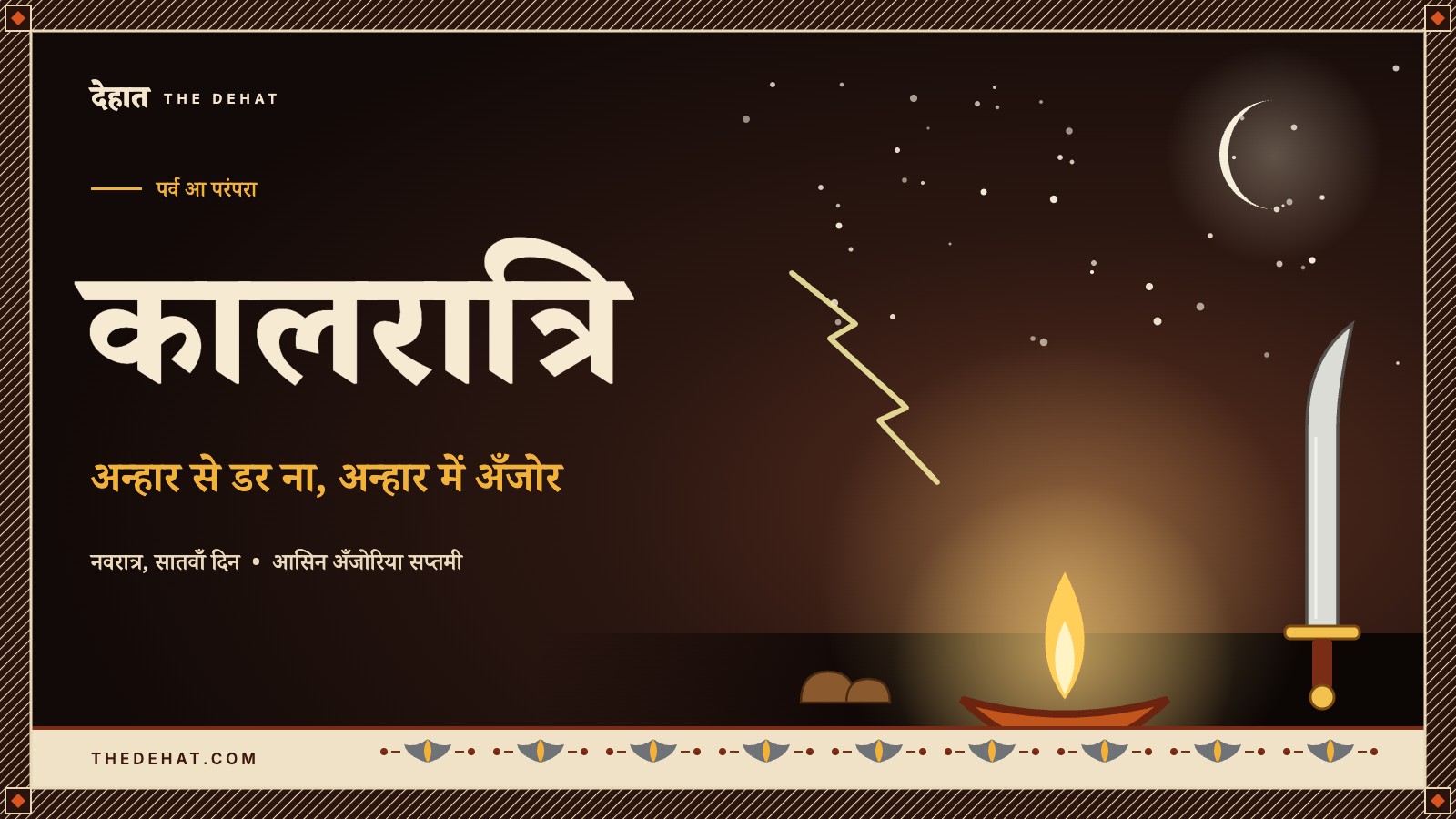
कालरात्रि: अन्हार से डर ना, अन्हार में अँजोर
सातवाँ दिन माई के सबसे भयानक रूप सामने आवेला। रंग अन्हरिया रात जइसन करिया, केस खुलल, साँस से आगि। बाकिर एही माई के दूसरा नाम शुभंकरी ह, माने सुभ करे वाली।
द देहात संपादकीय · 2026-10-17पढ़ीं · Read →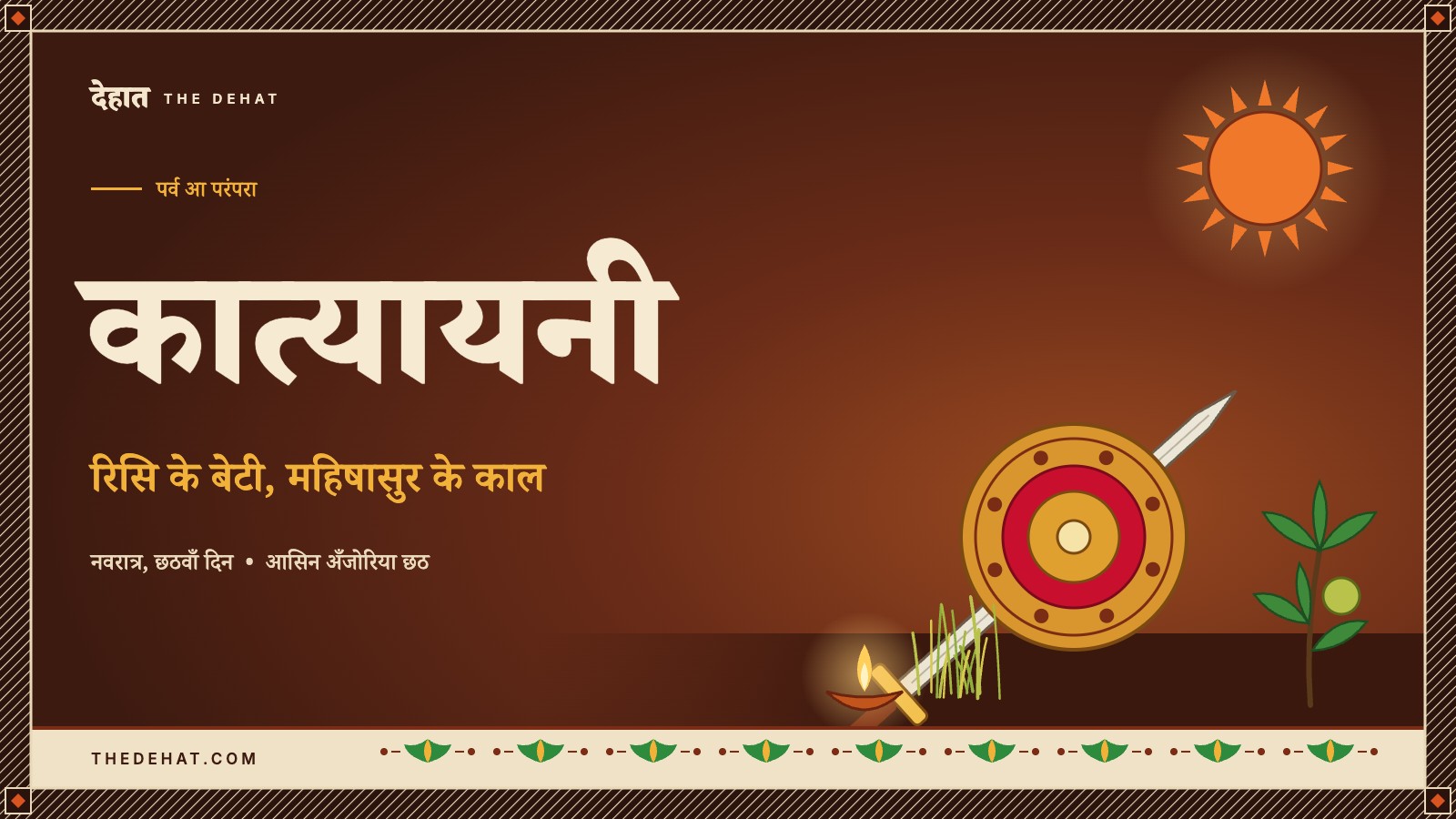
कात्यायनी: रिसि के बेटी, महिषासुर के काल
जवना असुर के कवनो देवता ना हरा सकले, ओकरा के एगो बेटी हरवली। छठवाँ दिन माई कात्यायनी के ह, जे दुर्गा पूजा के मूल कथा के नायिका हई।
द देहात संपादकीय · 2026-10-16पढ़ीं · Read →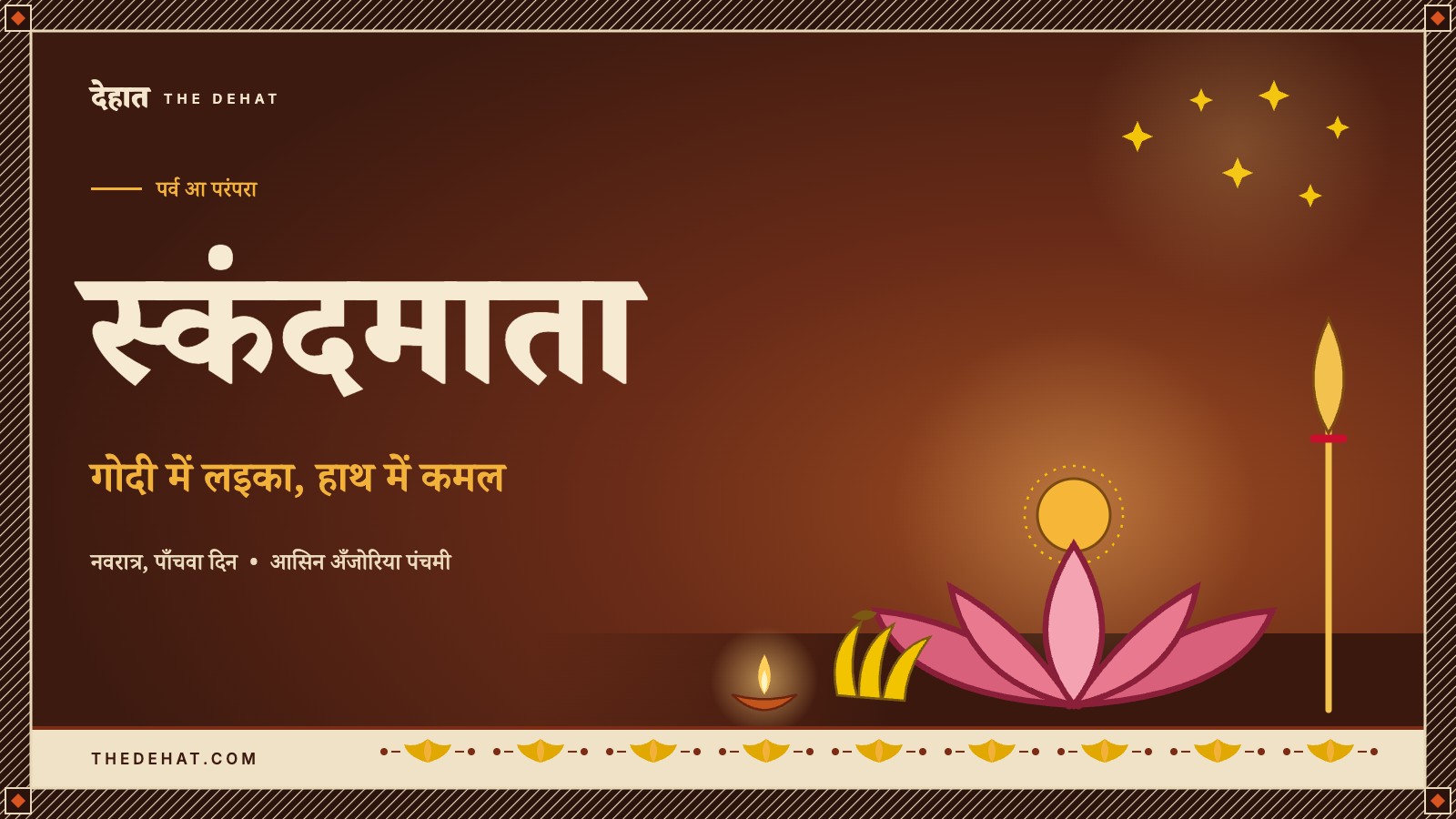
स्कंदमाता: गोदी में लइका, हाथ में कमल
पाँचवा दिन माई के पहचान उनकर आपन नाम से ना, बेटा के नाम से होला। स्कंद के माई, स्कंदमाता। गोदी में लइका बा आ ओही गोदी में दुनिया के रच्छा भी।
द देहात संपादकीय · 2026-10-15पढ़ीं · Read →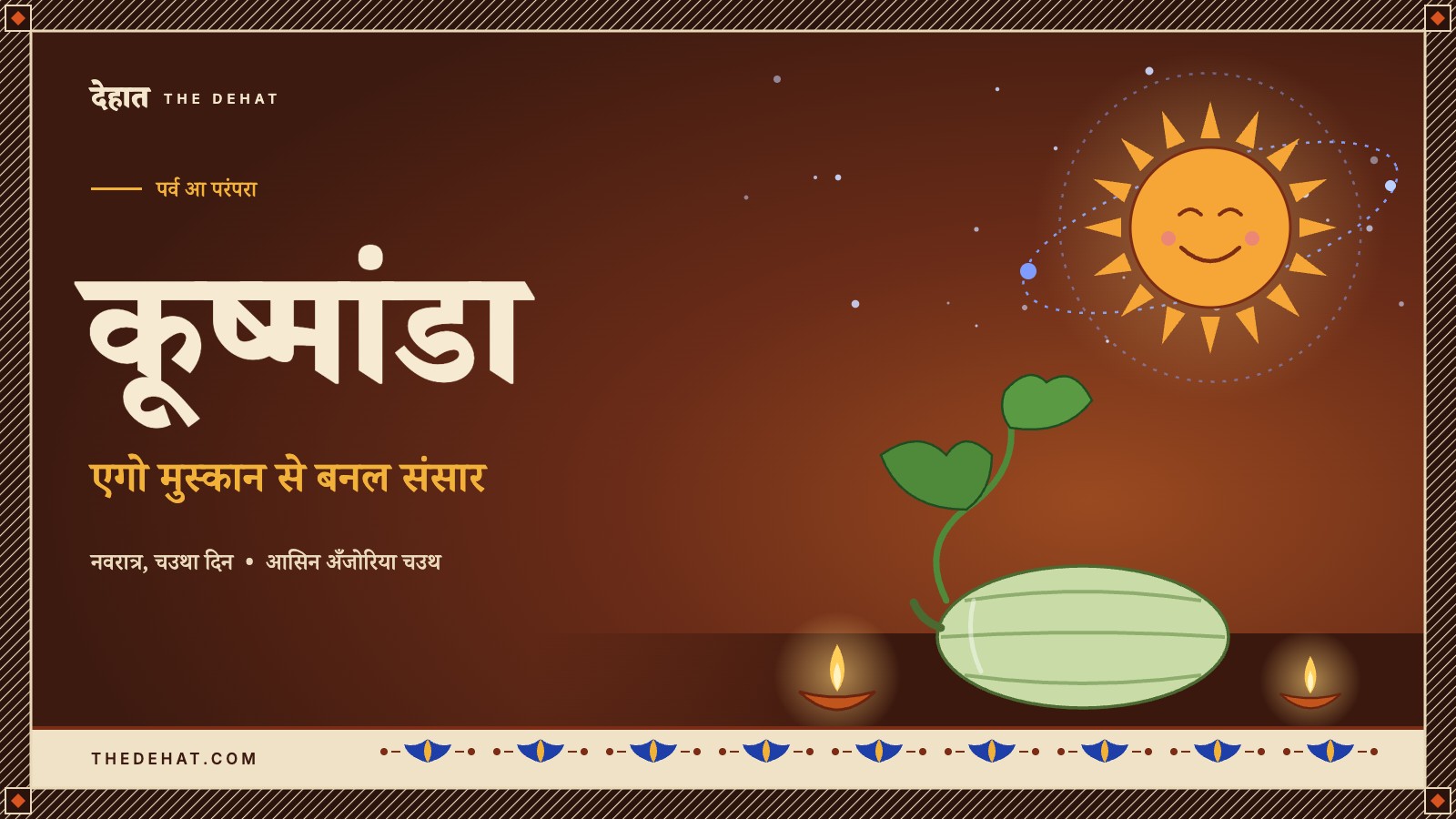
कूष्मांडा: एगो मुस्कान से बनल संसार
जब कुछ ना रहे, ना धरती, ना अकास, खाली अन्हार रहे, तब माई तनी सा मुस्कइली। कथा कहेला कि ओही मुस्कान से पूरा ब्रह्मांड बन गइल। चउथा दिन ओही माई कूष्मांडा के ह।
द देहात संपादकीय · 2026-10-14पढ़ीं · Read →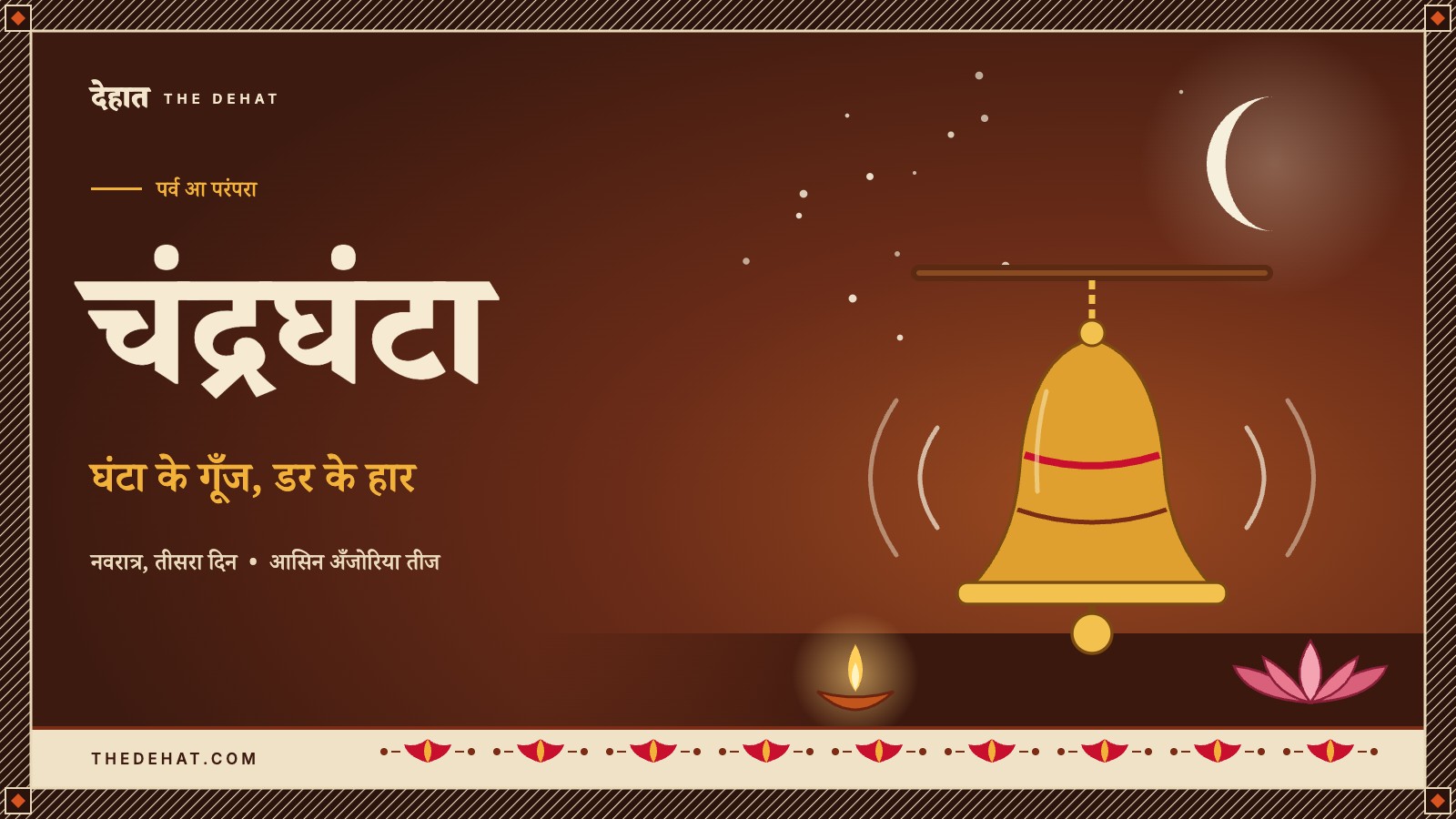
चंद्रघंटा: घंटा के गूँज, डर के हार
तीसरा दिन माई के लिलार पर घंटा के आकार के आधा चान चमकेला। दस हाथ में हथियार, सवारी बाघ के, तबो चेहरा पर शांति। चंद्रघंटा ओह हिम्मत के नाम ह जे चिल्लाला ना, थिर रहेला।
द देहात संपादकीय · 2026-10-13पढ़ीं · Read →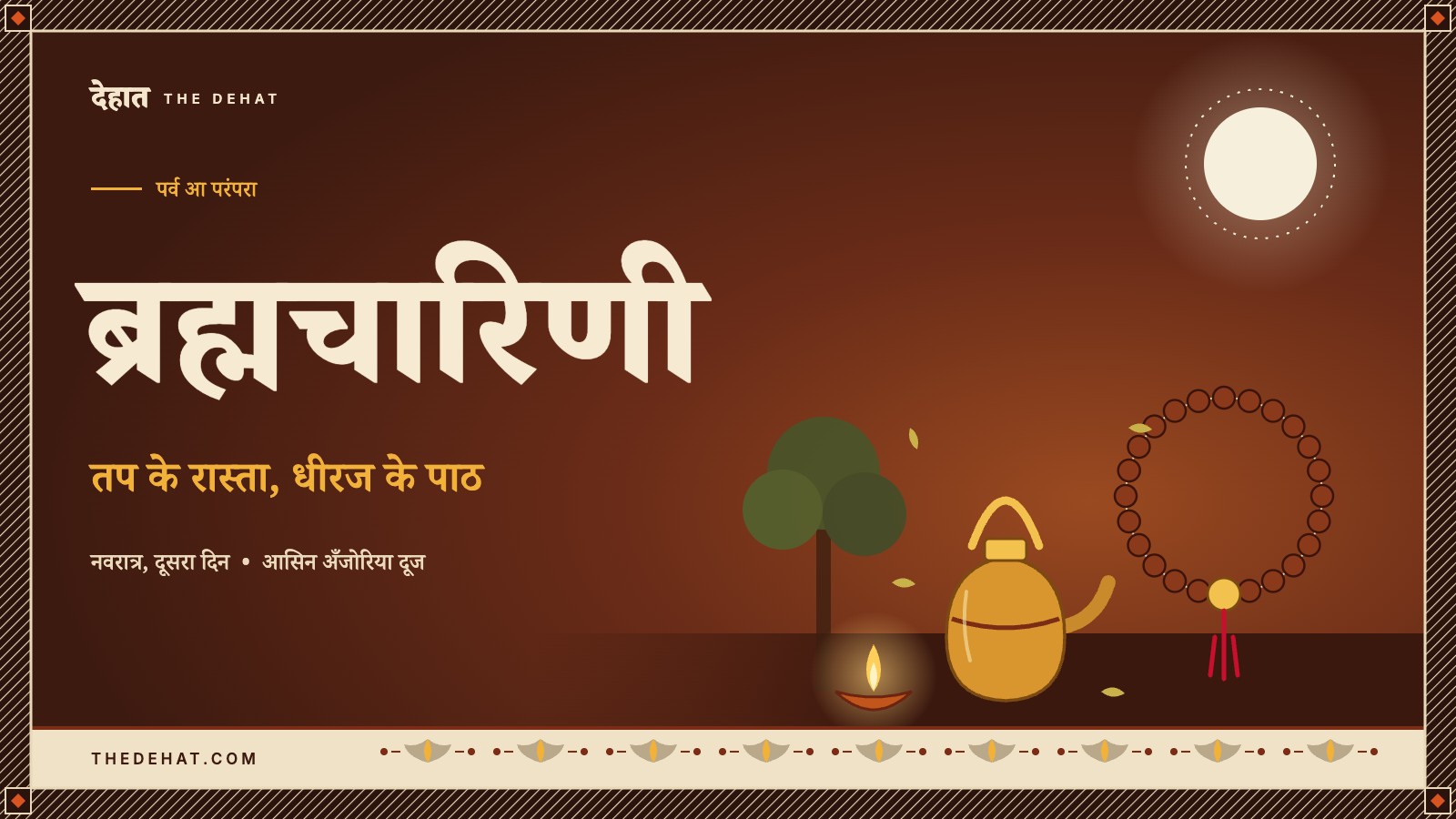
ब्रह्मचारिणी: तप के रास्ता, धीरज के पाठ
दूसरा दिन माई के ऊ रूप पूजल जाला जे हाथ में कवनो हथियार ना धरेली। एक हाथ में जप के माला, दूसरा में कमंडल। ब्रह्मचारिणी के ताकत उनकर तप ह।
द देहात संपादकीय · 2026-10-12पढ़ीं · Read →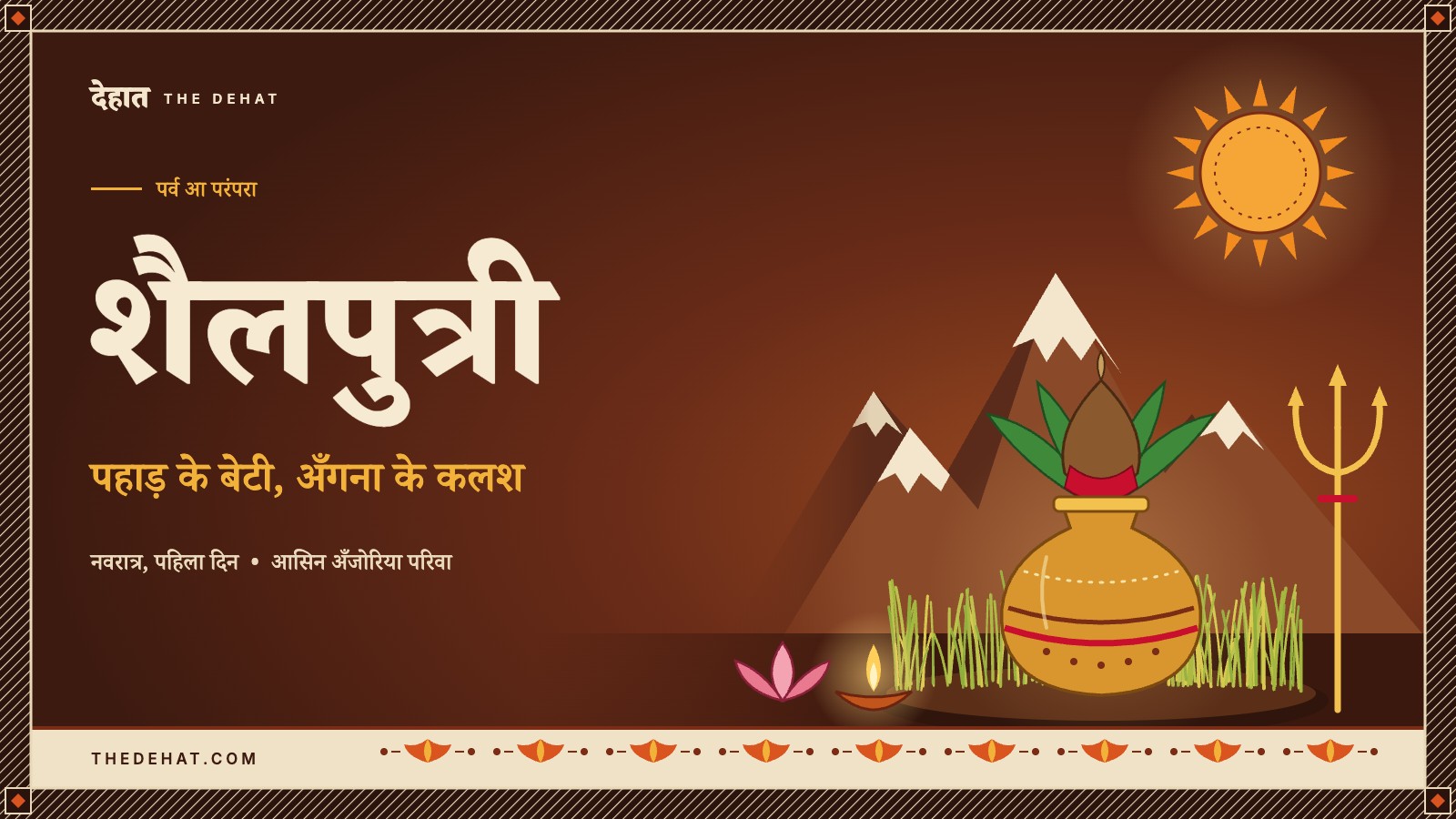
शैलपुत्री: पहाड़ के बेटी, अँगना के कलश
आसिन के अँजोरिया परिवा से शारदीय नवरात्र शुरू हो जाला। पहिला दिन घर घर में कलश बइठावल जाला, माटी में जौ बोअल जाला आ हिमालय के बेटी माई शैलपुत्री के पूजा होला।
द देहात संपादकीय · 2026-10-11पढ़ीं · Read →These are not curiosities. These are civilisation.
A Tharu woman in Bardia knows the flood by the smell of the wind two days before it arrives. A Tamang grandfather in Sindhupalchowk recites his clan's history for forty generations. A Bhojpuri singer in Rupandehi performs a wedding song her great-grandmother taught her, a song that exists nowhere but in her memory.
The Dehat is a new kind of institution: a newsroom, a think tank, a cultural archive, a music platform, a sports programme, a language preservation project and a school. Not separate departments, but one organism, rooted in a single conviction: that rural life deserves the most serious, most honest and most creative attention we can give it.
Read our full purpose →Six functions. One organism.
A researcher's fieldwork becomes oral history. A folk musician found through the music programme becomes a long-form feature. A documented language becomes a policy brief on language rights. Each part feeds the others.
News, Stories and Articles
The core. Daily news with a rural lens, dedicated language desks, long-form storytelling and literary publishing.
Explore →Music
The village sings. We record it, from Bhojpuri biraha to Tamang selo, and carry it to the world.
Explore →Sports
From the kabaddi fields of Madhesh and the Terai to village football, the sporting life of the dehat and the champions it produces.
Explore →Think Tank and Research
Rigorous, independent analysis on migration, language rights, remittances, land and indigenous knowledge.
Explore →Archive
A living, open-access record of Himalayan-Gangetic rural life: oral histories, languages, music and images.
Explore →Students, Diaspora and Education
The bridge between the village and the world, and between the world and the village.
Explore →Language is the container of everything a people knows: their names for the wind, their words for grief, their songs for the harvest. When a language dies, a library burns.
Nepal first. India and Bhutan close behind. The world, always.
Nepal
All seven provinces, all languages, all communities.
India
Bihar, Uttar Pradesh, Uttarakhand, Jharkhand, West Bengal and the Northeast.
Bhutan
Eastern districts, the Himalayan belt and the Lhotshampa story.
Diaspora
Everywhere the roots travel: Europe, the Americas, the Gulf, Asia and Australia.